Intersectional Gendered Violence
Examining artistic responses to conflict-related sexual violence
2023–2025 · Investigator · King’s College London, Visual and Embodied Methodologies (VEM) Network · Funded by the ESRC · Partners: Arts Cabinet, Migrants in Action, Science Gallery London, the Policy Institute at King’s
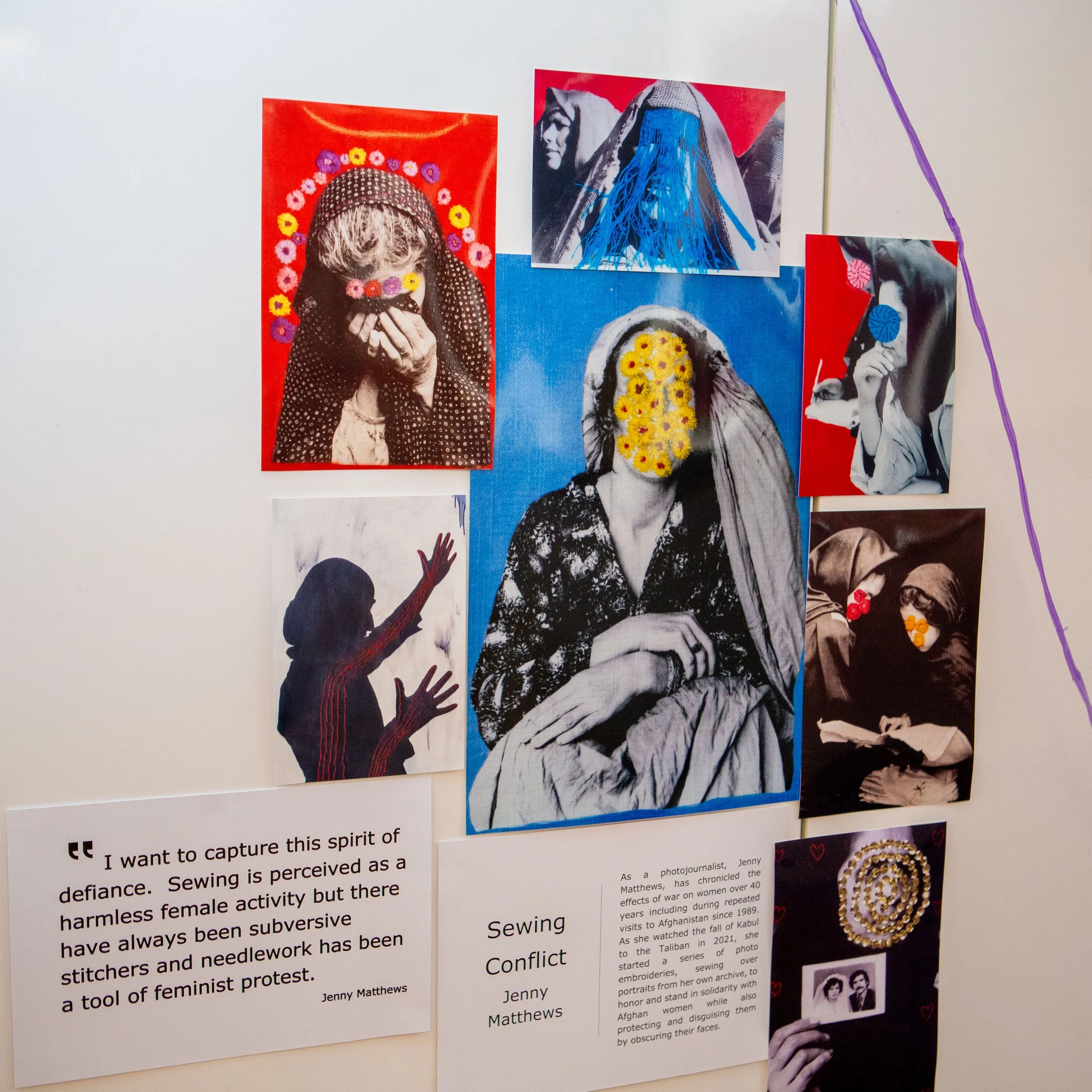
Visual Mapping wall: artistic responses to conflict related gendered violence at the project symposium
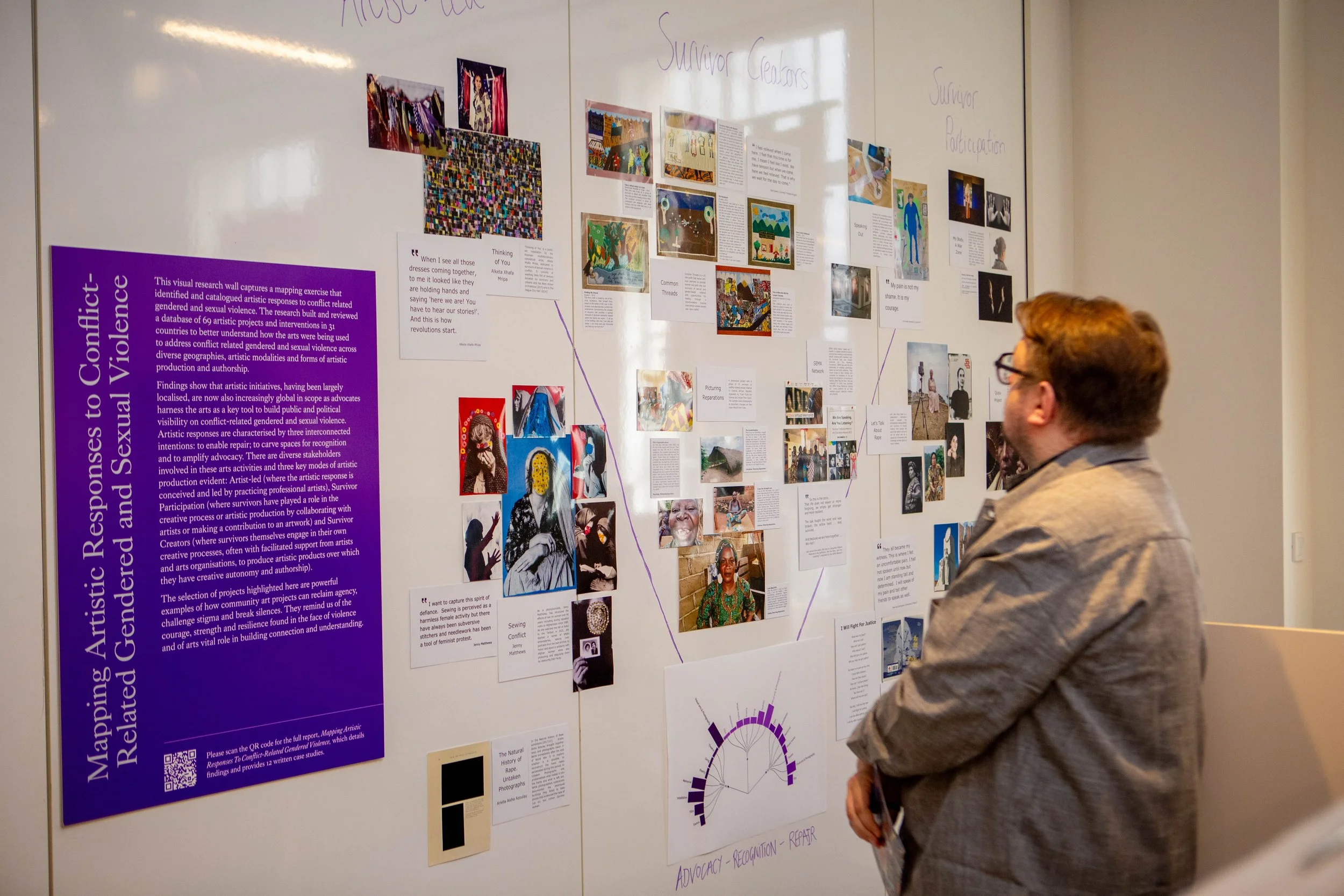
Visual Mapping wall: artistic responses to conflict related gendered violence at the project symposium
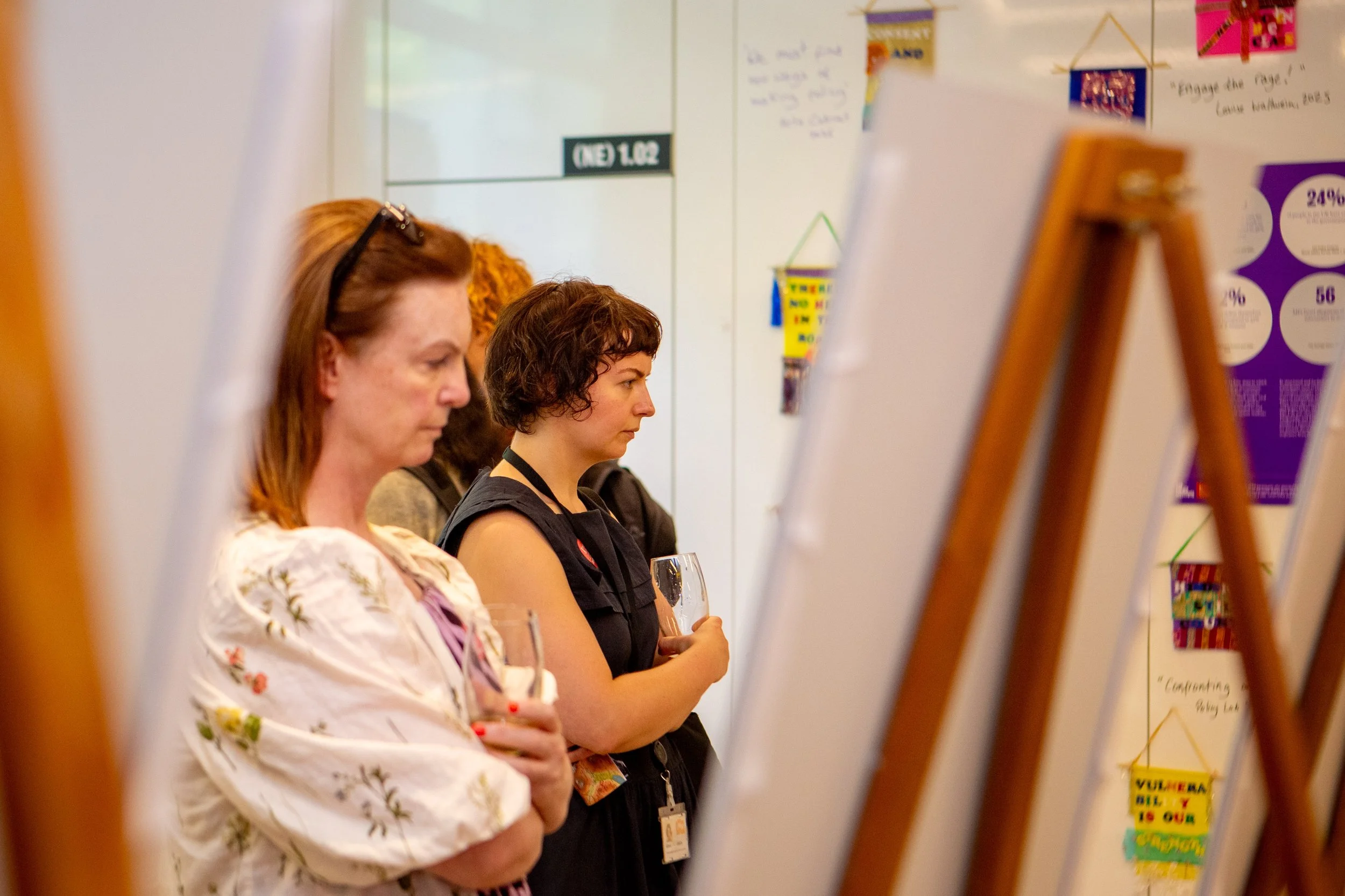
Visitors reading Choman Hardi's poems at the project Symposium
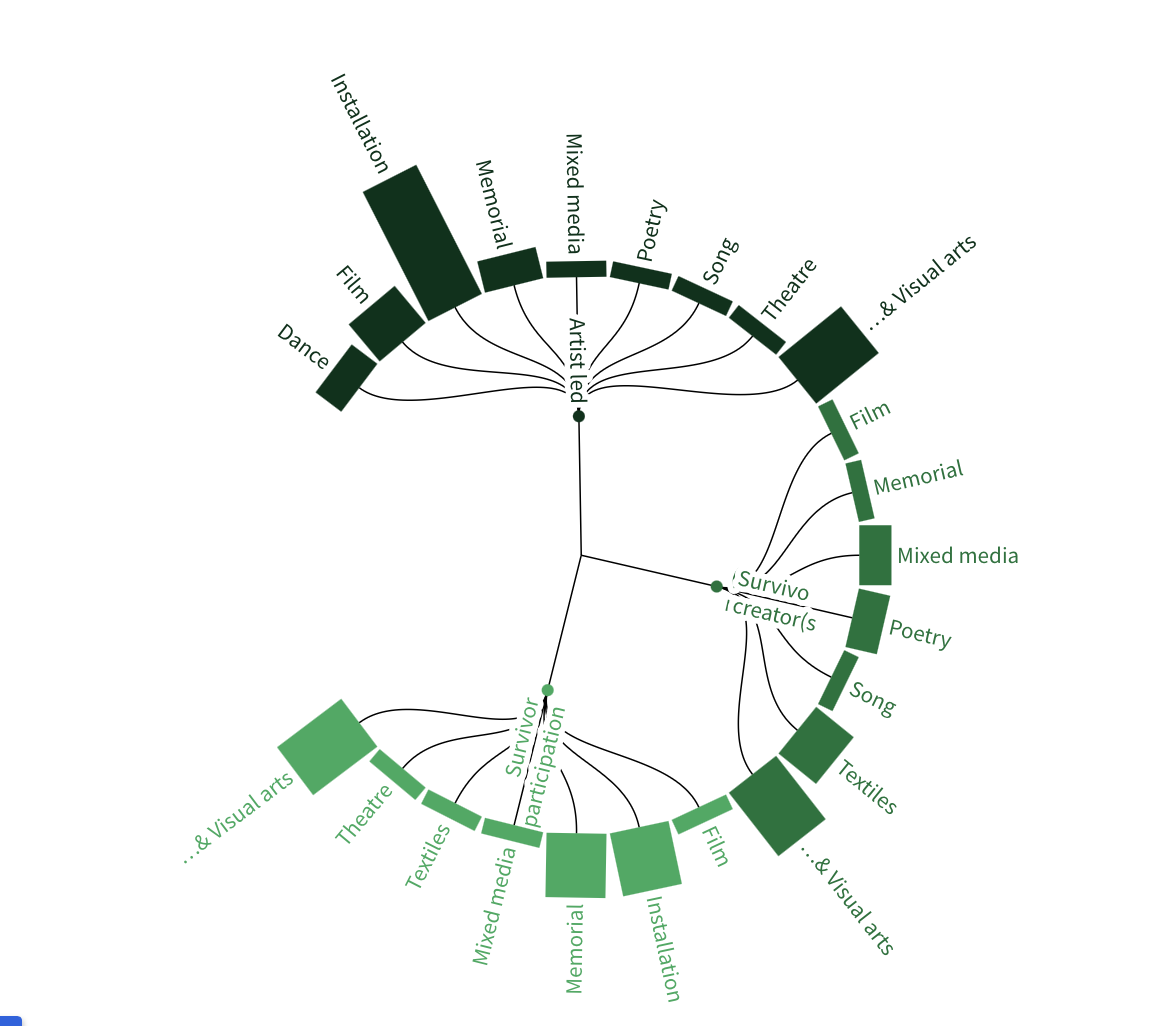
Mapping research data visulisations
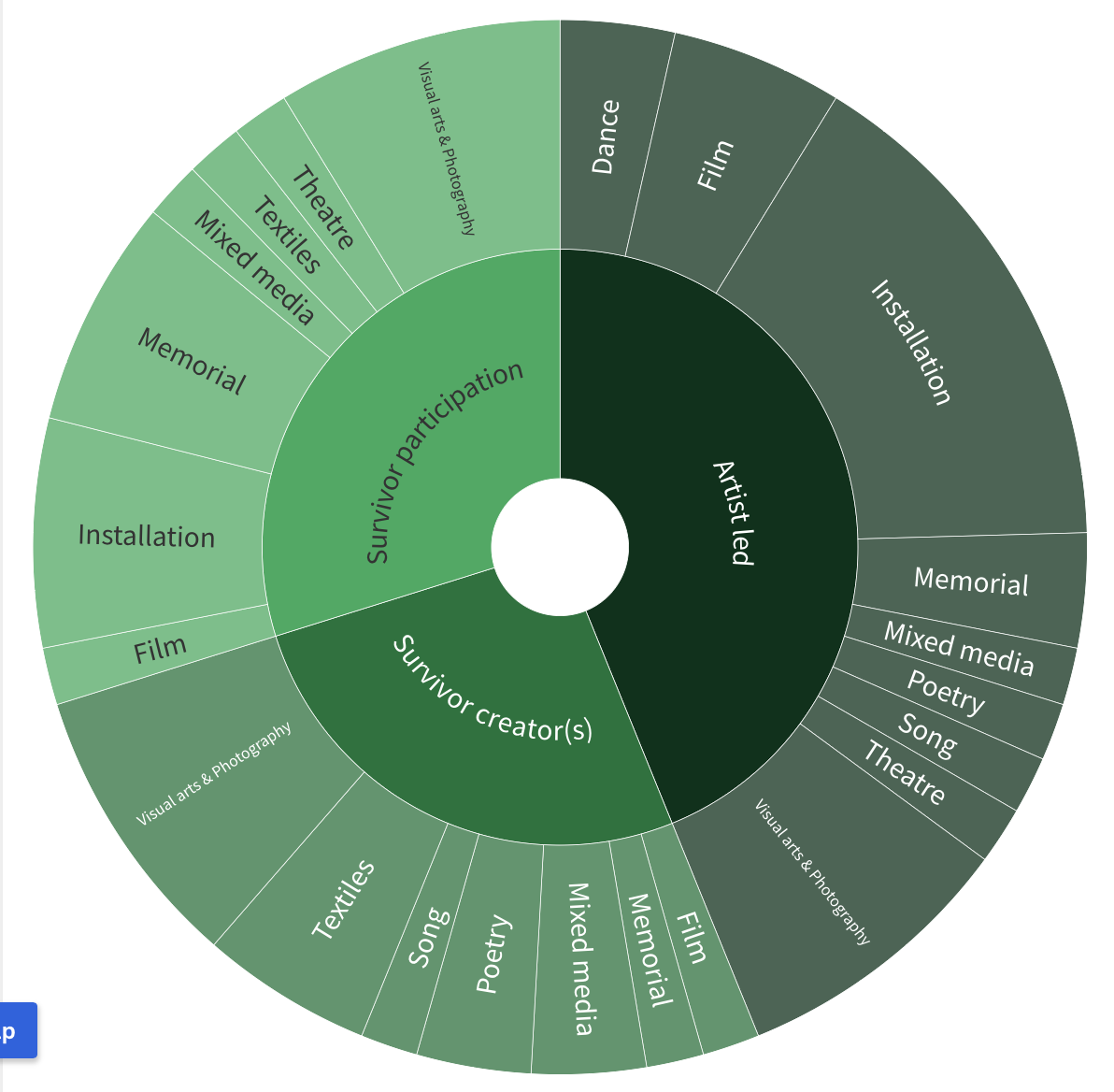
Mapping research data visulisations
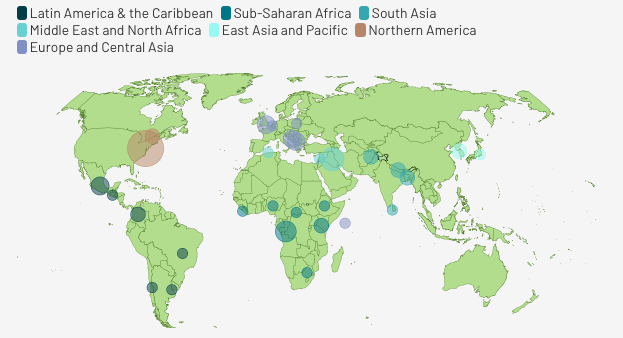
Mapping research data visulisations
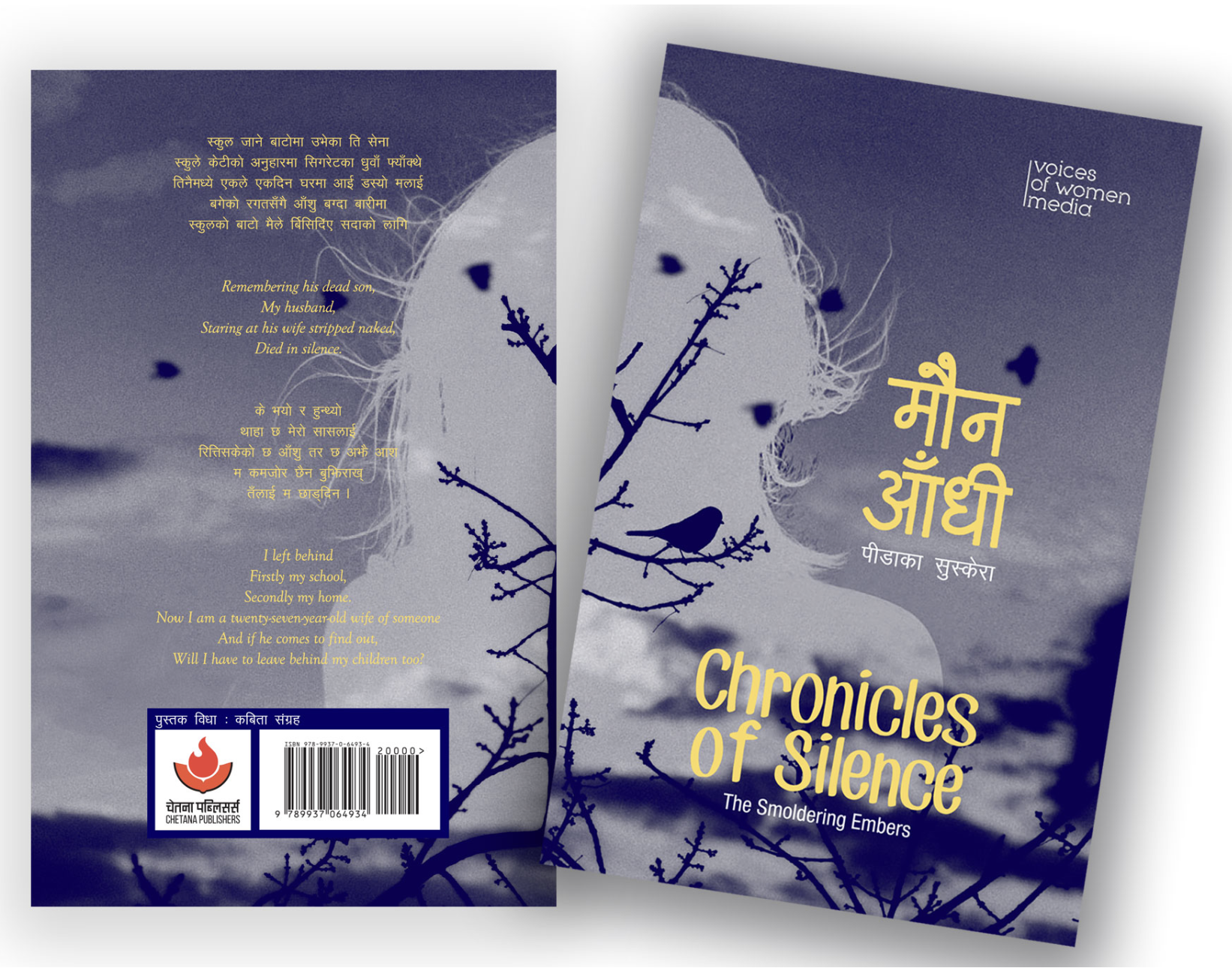
Chronicles of Silence: poetry by surivors of conflict related sexual violence in Nepal
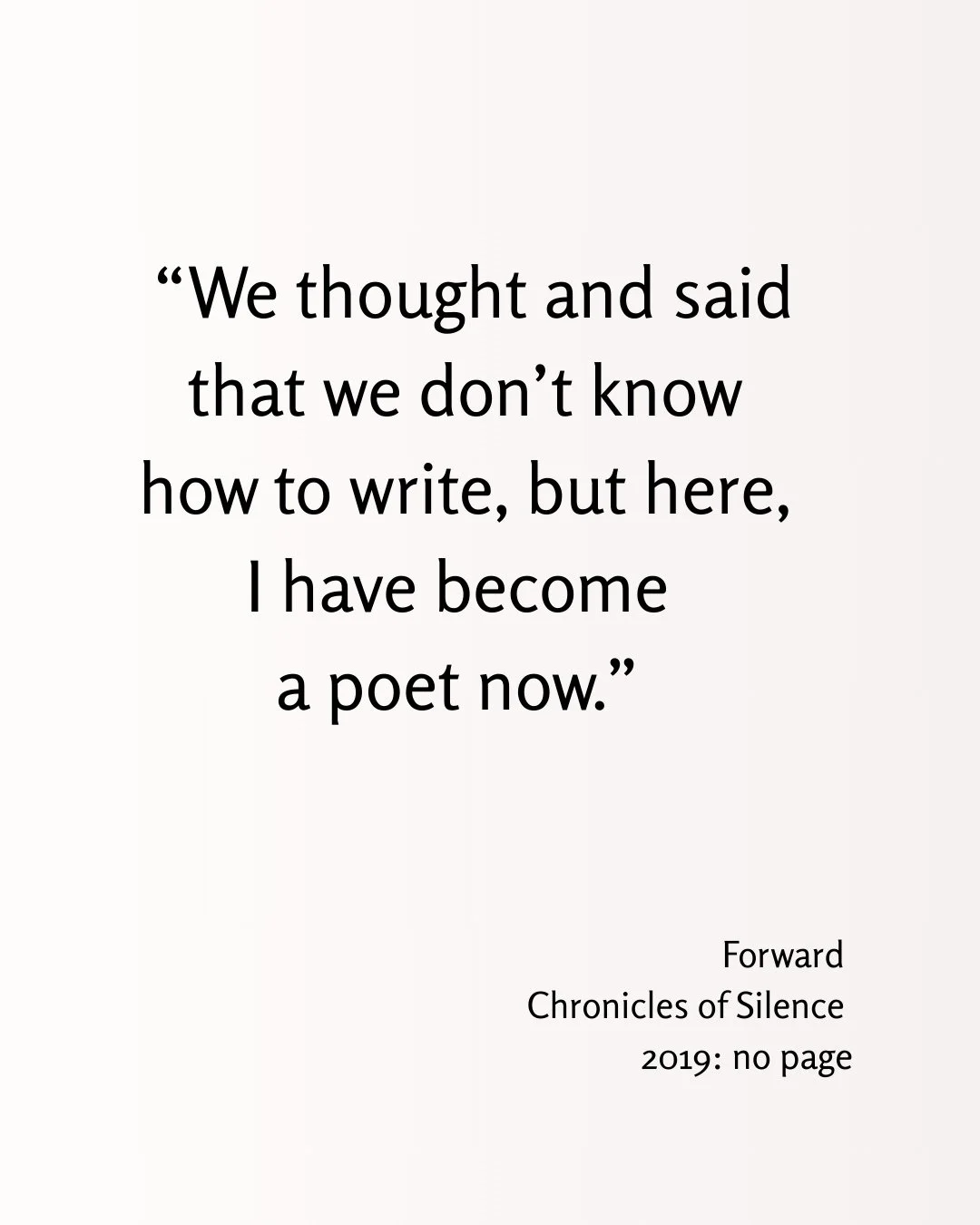
Chronicles of Silence: poetry by surivors of conflict related sexual violence in Nepal
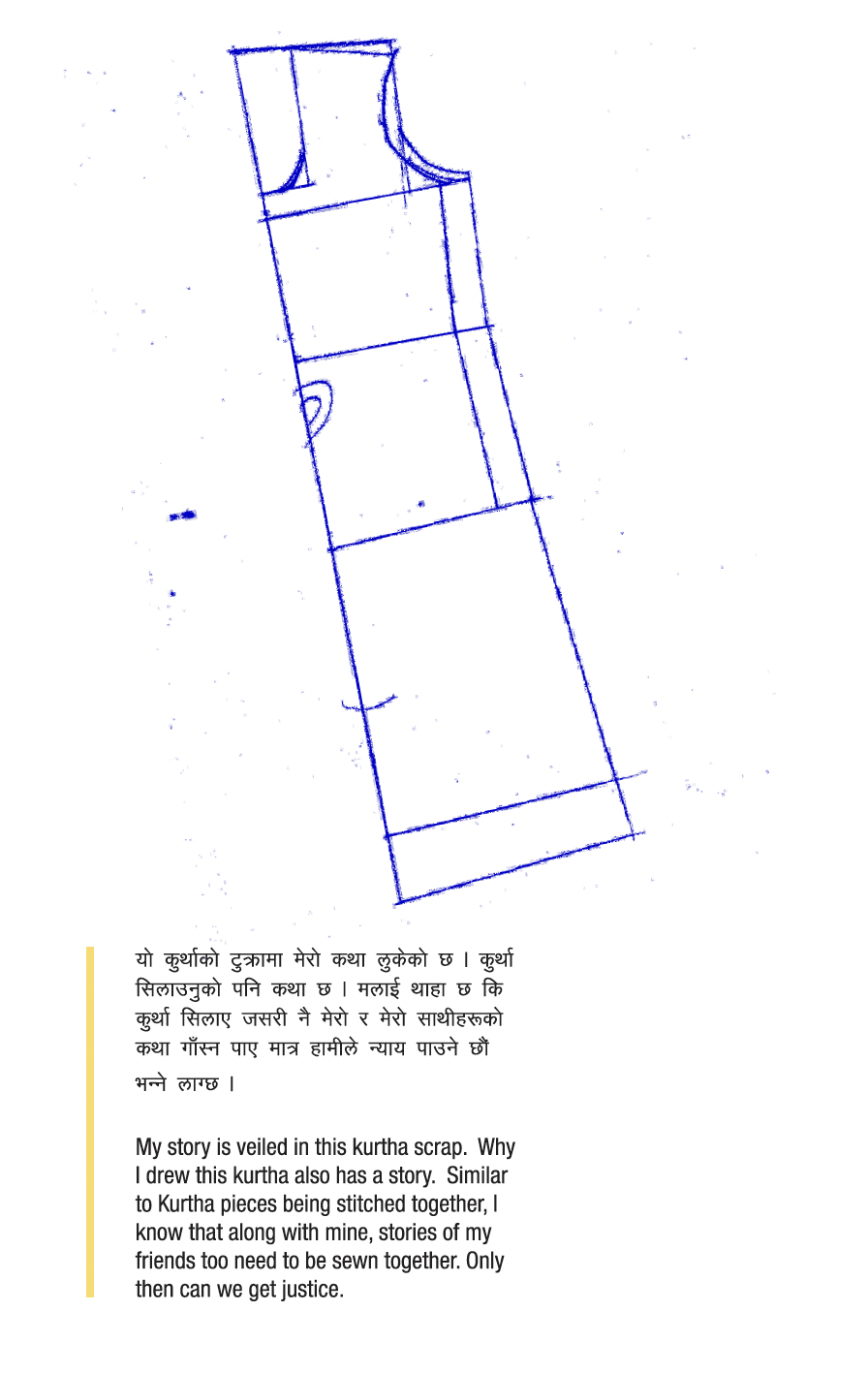
Chronicles of Silence: poetry by surivors of conflict related sexual violence in Nepal
Creative Methods Guide
Arts Cabinet Editorial publication
Working Paper
Intersectional Gendered Violence was an ESRC-funded project led by KCL’s VEM Network testing how visual and embodied methods can deepen understanding of gendered violence, from sexual harassment to state violence, war and genocide. Bringing together researchers across geography, international development and war studies, it explored how creative methods can build connection across different experiences and audiences where other approaches fall short.
My strand of the research, with Rachel Kerr, focused on conflict-related sexual violence. Art is increasingly part of how societies respond to sexual violence in war, through survivor-led creative work, exhibitions, memorials and campaigns. Yet what these responses actually achieve is rarely examined. Our research asked what artistic responses to conflict-related sexual violence do: how they advance advocacy, secure recognition for survivors, and contribute to repair. It also considered their limits and risks, [including re-traumatisation, spectacle and the instrumentalisation of survivors’ stories], and what ethical, survivor-centred practice requires.
Outputs
Fairey, T. and Kerr, R. (2025). Advocacy, Recognition and Repair: Artistic Responses to Conflict-Related Gendered Violence. VEM Network Working Paper 5. King’s College London.
Boesten, J., Fairey, T., Hall, S., Kerr, R., Martin, P., McIlwaine, C., Patel, A. and Sequeira Costa, S. (2025). Gendered Violence Through Image, Word, and Gesture: A Veminist Research Praxis. Arts Cabinet.
‘IFairey, T., & Koyu, P. (2025, May). ‘I have become a poet now.’ Pranika Koyu and Tiffany Fairey in conversation [Arts Cabinet Imaging Gendered Violence editorial].
Fairey, T., Boesten, J., Martin, P., Kerr, R. and McIlwaine, C. (2026). VEM: A Guide for Researchers. Creative Methods for Social Scientists. King’s College London.